

If you’ve ever asked yourself, “Why does my cat bite me?”, you’re not alone. One minute your cat is purring, and the next they’re biting your hand or arm. While this behavior can be confusing and painful, cat bites are rarely random or mean-spirited.
In most cases, cat biting is a form of communication. Understanding the reasons behind it can help you prevent future bites and improve your relationship with your cat.
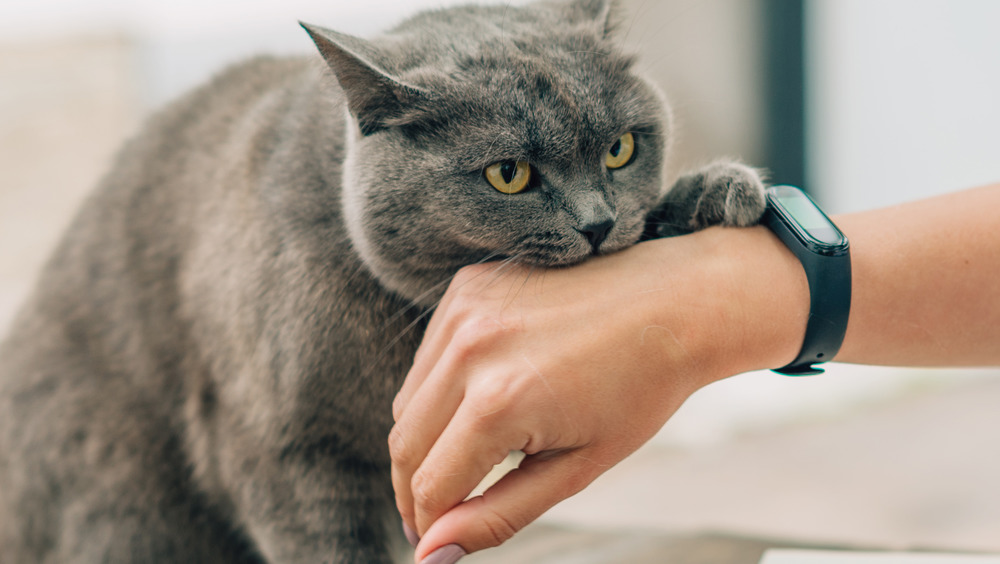
Common Reasons Why Cats Bite Their Owners
1. Overstimulation From Petting
One of the most common answers to “why does my cat bite me when I pet him?” is overstimulation.
Cats enjoy affection, but they have a lower tolerance for prolonged touch than dogs. When petting becomes overwhelming, a cat may bite to say “That’s enough.”
Warning signs of overstimulation include:
- Tail flicking or lashing
- Ears turning sideways or flat
- Tense body posture
- Skin rippling along the back
How to prevent it:
Keep petting sessions short and stop at the first sign of discomfort. Focus on areas cats usually enjoy, such as the cheeks, chin, and head.
2. Play Aggression
If your cat bites your hands, ankles, or feet—especially during movement—it’s likely play aggression.
Cats are natural hunters, and moving hands or feet can trigger their instinct to pounce.
Common triggers:
- Using hands as toys
- Rough play as a kitten
- Lack of interactive toys
How to prevent it:
- Never play with your cat using your hands
- Use wand toys, feather toys, or balls
- Schedule daily play sessions to release energy
3. “Love Bites” or Affectionate Nipping
Some cats give gentle nips while grooming or cuddling. These love bites are usually not aggressive and don’t break the skin.
However, if allowed to continue, they can become harder bites over time.
What to do:
Gently withdraw attention when biting starts to set clear boundaries.
4. Fear, Stress, or Anxiety
A frightened or anxious cat may bite as a defensive reaction.
Common causes include:
- Loud noises
- Sudden movements
- Being picked up unexpectedly
- New pets or people in the home
How to help:
Let your cat approach interactions at their own pace and provide safe, quiet escape areas.
5. Redirected Aggression
Redirected aggression occurs when your cat becomes aroused by something they can’t reach—such as another animal outside—and redirects that frustration onto you.
Signs may include dilated pupils, growling, or sudden biting without warning.
How to prevent it:
- Avoid touching your cat during high‑arousal moments
- Block visual triggers like outdoor animals
- Give your cat time to calm down
6. Pain or Medical Issues
If you’re wondering “why does my cat suddenly bite me?”, health issues may be the cause.
Potential medical reasons include:
- Arthritis
- Dental problems
- Injuries
- Skin conditions
Important:
Sudden or escalating biting behavior should always be evaluated by a veterinarian.
7. Territorial or Protective Behavior
Cats are territorial by nature. Biting may occur if your cat feels their space, food, or favorite spots are being threatened—especially in multi-pet households.
Helpful tips:
- Provide separate resources (litter boxes, food bowls)
- Avoid forced interactions
- Use calming pheromone diffusers if needed
What to Do When Your Cat Bites You
Avoid these responses:
- Yelling or scolding
- Physical punishment
- Chasing or grabbing your cat
These can increase fear and aggression.
Instead:
- Remain calm
- Slowly remove yourself from the situation
- End interaction immediately
- Reward calm, gentle behavior
Consistency is key to changing biting behavior.
When Should You Seek Professional Help?
You should consult a veterinarian or feline behaviorist if:
- Bites frequently break the skin
- Aggression is worsening
- There’s no clear trigger
- Behavior changes suddenly
Frequently Asked Questions (FAQs)
Why does my cat bite me out of nowhere?
Most “random” bites are caused by overstimulation, redirected aggression, or pain. Cats usually show subtle warning signs before biting.
Why does my cat bite me gently?
Gentle bites are often love bites or playful behavior, but they should still be discouraged to prevent escalation.
Is cat biting a sign of aggression?
Not always. Biting is often a form of communication, play, or stress response—not true aggression.
Final Thoughts: Understanding Your Cat’s Bites
So, why does your cat bite you? In most cases, biting is your cat’s way of communicating discomfort, excitement, or boundaries. Learning your cat’s body language, respecting their limits, and providing proper enrichment can dramatically reduce biting behavior.
With patience and understanding, you can turn confusing bites into clear communication—and build a stronger bond with your cat.


