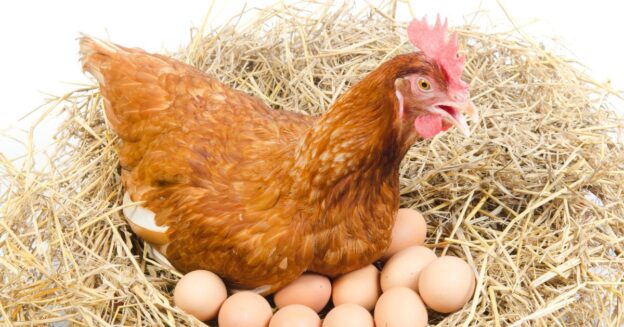
Winter can be a challenging season for backyard chicken keepers and small‑scale farmers. Shorter daylight hours, colder temperatures, and limited forage often cause a noticeable drop in egg production. Fortunately, with the right management strategies, you can increase egg production in chickens during winter and keep your flock healthy and productive year‑round.
In this guide, you’ll learn proven, practical methods to help your hens lay more eggs throughout the cold months.
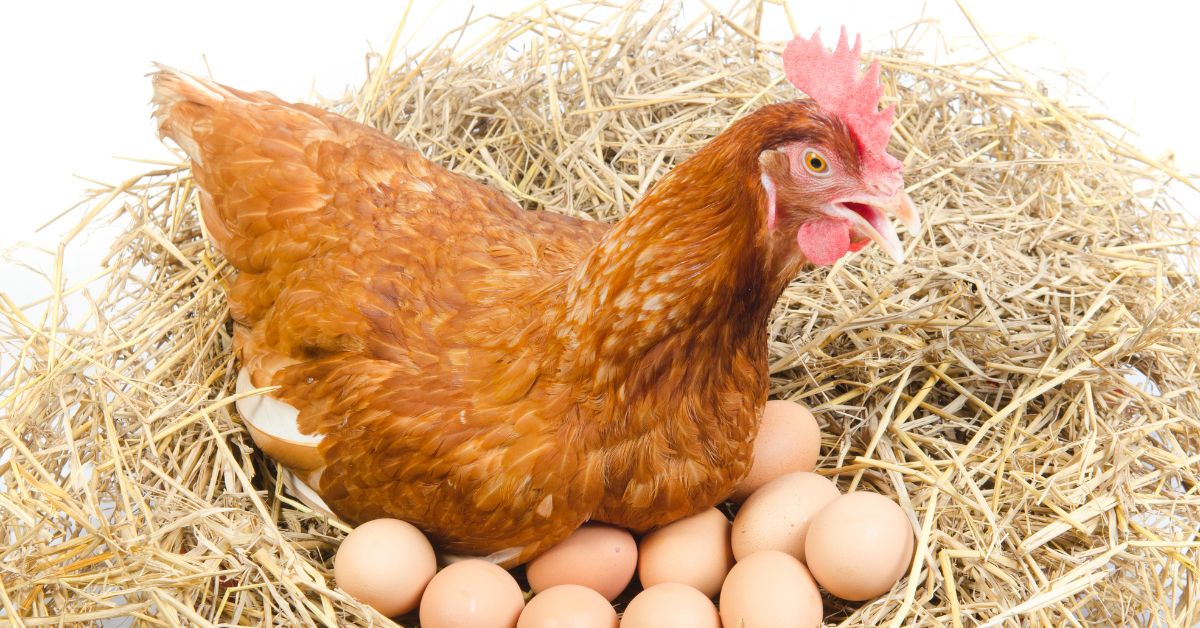
Why Chickens Lay Fewer Eggs in Winter
Before addressing solutions, it’s important to understand why egg production declines in winter:
- Reduced daylight slows hens’ reproductive cycles
- Cold stress diverts energy from egg laying to body warmth
- Poor nutrition from limited grazing affects egg development
- Molting often occurs in late fall or early winter
Addressing these factors directly is the key to improving winter egg production.
1. Increase Daylight Hours for Winter Egg Production
Light exposure is the number one factor influencing egg production in chickens.
How Much Light Do Chickens Need?
Hens require 14–16 hours of light per day to maintain consistent laying. In winter, natural daylight may drop to 8–10 hours.
How to Add Supplemental Lighting
Avoid leaving lights on all night, which can stress hens
Use a low‑watt LED or incandescent bulb (40–60 watts)
Install a timer to turn lights on early in the morning
2. Feed a High‑Quality Winter Layer Diet
Cold weather increases a chicken’s caloric needs. Without proper nutrition, egg production will suffer.
Best Winter Feed for Laying Hens
- Layer feed (16–18% protein) as the primary diet
- Cracked corn or scratch grains in the evening for added energy
- High‑protein treats (mealworms, sunflower seeds) in moderation
Don’t Forget Calcium
Strong eggshells require calcium:
- Offer free‑choice crushed oyster shell
- Save and crush clean eggshells as a supplement
3. Keep Chickens Warm (Without Overheating)
Chickens are cold‑hardy, but excessive cold can reduce egg laying.
Ideal Winter Coop Conditions
- Dry, draft‑free coop
- Proper ventilation (to prevent moisture buildup)
- Deep bedding using the deep litter method for insulation
⚠️ Avoid heat lamps unless absolutely necessary—fire risk is high, and sudden temperature changes can stress birds.
4. Reduce Stress to Maintain Egg Production
Stress directly impacts egg production, especially during winter.
Common Winter Stressors
- Overcrowding in the coop
- Poor ventilation and ammonia buildup
- Frozen water sources
- Predators drawn closer by snow cover
How to Minimize Stress
- Ensure fresh, unfrozen water at all times
- Provide adequate roost space
- Maintain a consistent feeding and lighting schedule
Happy hens are productive hens—even in winter.
5. Support Chickens Through Molting
Many hens molt in late fall or early winter, temporarily stopping egg production.
How to Help Molting Hens
- Increase protein intake to 18–20%
- Avoid handling chickens excessively
- Be patient—egg laying resumes once molting ends
Molting is natural, and forcing egg production during this period can harm long‑term health.
6. Choose Cold‑Hardy, Winter‑Laying Breeds
If winter eggs are a priority, breed selection matters.
Best Chicken Breeds for Winter Egg Production
- Rhode Island Red
- Plymouth Rock
- Australorp
- Leghorn
- Wyandotte
These breeds are known for cold tolerance and consistent winter laying.
7. Provide Winter Enrichment and Exercise
Bored or inactive chickens are more prone to stress and reduced laying.
Simple Winter Enrichment Ideas
- Hang cabbage or leafy greens for pecking
- Scatter scratch grains in bedding
- Add perches or straw bales for exploration
Movement improves circulation and overall health, supporting egg production.
8. Keep Water From Freezing
Water is essential for egg formation—eggs are nearly 75% water.
Winter Water Tips
- Use heated waterers or bases
- Check water multiple times daily
- Never allow chickens to go without water, even for a few hours
Frozen water is one of the most overlooked causes of winter egg decline.
Frequently Asked Questions About Winter Egg Production
Do chickens naturally stop laying in winter?
Not entirely. Most slow down due to reduced daylight, but proper lighting and care can maintain production.
Is artificial lighting bad for chickens?
No, when used responsibly. Limit light to 14–16 hours daily and allow darkness for rest.
How long does it take to see results?
With proper lighting and nutrition, many flocks show improvement within 2–3 weeks.
Final Thoughts: Boosting Winter Egg Production Naturally
Increasing egg production in chickens during winter is absolutely achievable with the right approach. By managing light exposure, nutrition, warmth, hydration, and stress, you can keep your flock productive even during the coldest months.
A well‑cared‑for chicken doesn’t just survive winter—it thrives.