When to Start Planting Flowers for Spring: A Complete Gardener’s Guide

Knowing when to start planting flowers for spring is the key to a vibrant, colorful garden that thrives all season long. Plant too early and frost can kill young plants; wait too long and you may miss peak bloom time. The right timing depends on your climate, flower type, and local frost dates.

In this guide, you’ll learn exactly when to plant spring flowers, how to plan around frost, and tips to ensure healthy growth from day one.


Why Timing Matters When Planting Spring Flowers

Spring flowers are sensitive to temperature and soil conditions. Planting at the wrong time can lead to:

  • Stunted growth
  • Frost damage
  • Poor blooming
  • Root rot from cold, wet soil

By planting at the proper time, flowers establish strong roots, resist disease, and bloom at their fullest.


Understanding Frost Dates and Hardiness Zones

Know Your Last Frost Date

The average last frost date is the most important factor when deciding when to plant. This date marks when overnight temperatures are unlikely to drop below freezing.

  • Cool-season flowers can be planted before the last frost
  • Warm-season flowers should be planted after the last frost

Use USDA Plant Hardiness Zones

Hardiness zones are based on average minimum winter temperatures and help determine which plants will thrive in your region.

  • Northern zones (3–5): Later planting dates
  • Central zones (6–7): Mid‑spring planting
  • Southern zones (8–10): Earlier spring or even late winter planting

When to Plant Different Types of Spring Flowers

🌷 Spring‑Blooming Bulbs (Plant in Fall)

These flowers bloom in early spring but must be planted months earlier.

Examples:

  • Tulips
  • Daffodils
  • Crocuses
  • Hyacinths

Best planting time: Fall, 6–8 weeks before the ground freezes


🌼 Cool‑Season Flowers (Early Spring)

These flowers tolerate cold temperatures and light frost.

Examples:

  • Pansies
  • Snapdragons
  • Sweet peas
  • Violas
  • Calendula

Best planting time:

  • 4–6 weeks before the last frost
  • When soil can be worked and daytime temps reach 50°F (10°C)

🌺 Warm‑Season Flowers (After Frost)

These flowers thrive in warmth and will not survive frost.

Examples:

  • Petunias
  • Zinnias
  • Marigolds
  • Cosmos
  • Sunflowers

Best planting time:

  • 1–2 weeks after the last frost
  • When soil temperatures reach 60°F (15°C) or higher

Starting Flowers Indoors for an Early Advantage

Starting seeds indoors allows flowers to bloom earlier and grow stronger before transplanting.

Flowers Commonly Started Indoors

  • Petunias
  • Begonias
  • Lobelia
  • Geraniums

When to start:

  • 6–10 weeks before the last frost date

Tips for success:

  • Use seed‑starting mix
  • Provide bright light (grow lights work best)
  • Harden off seedlings before planting outdoors

Regional Spring Planting Guide

Northern Climates

  • Start seeds indoors: February–March
  • Transplant outdoors: Late April–May

Moderate Climates

  • Direct sow cool flowers: March
  • Warm flowers: April

Southern Climates

  • Cool flowers: Late winter
  • Warm flowers: Early spring

Soil Preparation: Don’t Skip This Step

Healthy soil ensures healthy flowers.

Before planting:

  • Remove weeds and debris
  • Loosen soil 8–12 inches deep
  • Add compost or organic matter
  • Ensure good drainage

Soil temperature is just as important as air temperature—cold soil slows root growth.


Common Spring Flower Planting Mistakes to Avoid

  • ❌ Planting before the soil warms
  • ❌ Ignoring frost forecasts
  • ❌ Overwatering young plants
  • ❌ Skipping hardening‑off
  • ❌ Planting sun‑loving flowers in shade

Avoiding these mistakes can dramatically improve bloom quality.


Frequently Asked Questions

Can I plant flowers as soon as spring starts?

Not always. Early spring weather can still bring frost. Always check your last frost date.

What flowers can handle frost?

Pansies, violas, snapdragons, and sweet peas tolerate light frost.

Should I use mulch in spring?

Yes. Mulch helps regulate soil temperature and retain moisture.


Final Thoughts: When Should You Start Planting Flowers for Spring?

The best time to plant spring flowers depends on flower type, frost dates, and local climate. Cool‑season flowers can go in early, while warm‑season varieties must wait until frost danger passes. With proper planning, soil preparation, and timing, your spring garden will reward you with months of color and growth.




How to Increase Egg Production in Chickens During Winter

Winter can be a challenging season for backyard chicken keepers and small‑scale farmers. Shorter daylight hours, colder temperatures, and limited forage often cause a noticeable drop in egg production. Fortunately, with the right management strategies, you can increase egg production in chickens during winter and keep your flock healthy and productive year‑round.

In this guide, you’ll learn proven, practical methods to help your hens lay more eggs throughout the cold months.


Why Chickens Lay Fewer Eggs in Winter

Before addressing solutions, it’s important to understand why egg production declines in winter:

  • Reduced daylight slows hens’ reproductive cycles
  • Cold stress diverts energy from egg laying to body warmth
  • Poor nutrition from limited grazing affects egg development
  • Molting often occurs in late fall or early winter

Addressing these factors directly is the key to improving winter egg production.


1. Increase Daylight Hours for Winter Egg Production

Light exposure is the number one factor influencing egg production in chickens.

How Much Light Do Chickens Need?

Hens require 14–16 hours of light per day to maintain consistent laying. In winter, natural daylight may drop to 8–10 hours.

How to Add Supplemental Lighting

Avoid leaving lights on all night, which can stress hens

Use a low‑watt LED or incandescent bulb (40–60 watts)

Install a timer to turn lights on early in the morning

2. Feed a High‑Quality Winter Layer Diet

Cold weather increases a chicken’s caloric needs. Without proper nutrition, egg production will suffer.

Best Winter Feed for Laying Hens

  • Layer feed (16–18% protein) as the primary diet
  • Cracked corn or scratch grains in the evening for added energy
  • High‑protein treats (mealworms, sunflower seeds) in moderation

Don’t Forget Calcium

Strong eggshells require calcium:

  • Offer free‑choice crushed oyster shell
  • Save and crush clean eggshells as a supplement

3. Keep Chickens Warm (Without Overheating)

Chickens are cold‑hardy, but excessive cold can reduce egg laying.

Ideal Winter Coop Conditions

  • Dry, draft‑free coop
  • Proper ventilation (to prevent moisture buildup)
  • Deep bedding using the deep litter method for insulation

⚠️ Avoid heat lamps unless absolutely necessary—fire risk is high, and sudden temperature changes can stress birds.


4. Reduce Stress to Maintain Egg Production

Stress directly impacts egg production, especially during winter.

Common Winter Stressors

  • Overcrowding in the coop
  • Poor ventilation and ammonia buildup
  • Frozen water sources
  • Predators drawn closer by snow cover

How to Minimize Stress

  • Ensure fresh, unfrozen water at all times
  • Provide adequate roost space
  • Maintain a consistent feeding and lighting schedule

Happy hens are productive hens—even in winter.


5. Support Chickens Through Molting

Many hens molt in late fall or early winter, temporarily stopping egg production.

How to Help Molting Hens

  • Increase protein intake to 18–20%
  • Avoid handling chickens excessively
  • Be patient—egg laying resumes once molting ends

Molting is natural, and forcing egg production during this period can harm long‑term health.


6. Choose Cold‑Hardy, Winter‑Laying Breeds

If winter eggs are a priority, breed selection matters.

Best Chicken Breeds for Winter Egg Production

  • Rhode Island Red
  • Plymouth Rock
  • Australorp
  • Leghorn
  • Wyandotte

These breeds are known for cold tolerance and consistent winter laying.


7. Provide Winter Enrichment and Exercise

Bored or inactive chickens are more prone to stress and reduced laying.

Simple Winter Enrichment Ideas

  • Hang cabbage or leafy greens for pecking
  • Scatter scratch grains in bedding
  • Add perches or straw bales for exploration

Movement improves circulation and overall health, supporting egg production.


8. Keep Water From Freezing

Water is essential for egg formation—eggs are nearly 75% water.

Winter Water Tips

  • Use heated waterers or bases
  • Check water multiple times daily
  • Never allow chickens to go without water, even for a few hours

Frozen water is one of the most overlooked causes of winter egg decline.


Frequently Asked Questions About Winter Egg Production

Do chickens naturally stop laying in winter?

Not entirely. Most slow down due to reduced daylight, but proper lighting and care can maintain production.

Is artificial lighting bad for chickens?

No, when used responsibly. Limit light to 14–16 hours daily and allow darkness for rest.

How long does it take to see results?

With proper lighting and nutrition, many flocks show improvement within 2–3 weeks.


Final Thoughts: Boosting Winter Egg Production Naturally

Increasing egg production in chickens during winter is absolutely achievable with the right approach. By managing light exposure, nutrition, warmth, hydration, and stress, you can keep your flock productive even during the coldest months.

A well‑cared‑for chicken doesn’t just survive winter—it thrives.


Why Does My Cat Bite Me? Understanding Cat Biting Behavior and How to Stop It

If you’ve ever asked yourself, “Why does my cat bite me?”, you’re not alone. One minute your cat is purring, and the next they’re biting your hand or arm. While this behavior can be confusing and painful, cat bites are rarely random or mean-spirited.

In most cases, cat biting is a form of communication. Understanding the reasons behind it can help you prevent future bites and improve your relationship with your cat.


Common Reasons Why Cats Bite Their Owners

1. Overstimulation From Petting

One of the most common answers to “why does my cat bite me when I pet him?” is overstimulation.

Cats enjoy affection, but they have a lower tolerance for prolonged touch than dogs. When petting becomes overwhelming, a cat may bite to say “That’s enough.”

Warning signs of overstimulation include:

  • Tail flicking or lashing
  • Ears turning sideways or flat
  • Tense body posture
  • Skin rippling along the back

How to prevent it:
Keep petting sessions short and stop at the first sign of discomfort. Focus on areas cats usually enjoy, such as the cheeks, chin, and head.


2. Play Aggression

If your cat bites your hands, ankles, or feet—especially during movement—it’s likely play aggression.

Cats are natural hunters, and moving hands or feet can trigger their instinct to pounce.

Common triggers:

  • Using hands as toys
  • Rough play as a kitten
  • Lack of interactive toys

How to prevent it:

  • Never play with your cat using your hands
  • Use wand toys, feather toys, or balls
  • Schedule daily play sessions to release energy

3. “Love Bites” or Affectionate Nipping

Some cats give gentle nips while grooming or cuddling. These love bites are usually not aggressive and don’t break the skin.

However, if allowed to continue, they can become harder bites over time.

What to do:
Gently withdraw attention when biting starts to set clear boundaries.


4. Fear, Stress, or Anxiety

A frightened or anxious cat may bite as a defensive reaction.

Common causes include:

  • Loud noises
  • Sudden movements
  • Being picked up unexpectedly
  • New pets or people in the home

How to help:
Let your cat approach interactions at their own pace and provide safe, quiet escape areas.


5. Redirected Aggression

Redirected aggression occurs when your cat becomes aroused by something they can’t reach—such as another animal outside—and redirects that frustration onto you.

Signs may include dilated pupils, growling, or sudden biting without warning.

How to prevent it:

  • Avoid touching your cat during high‑arousal moments
  • Block visual triggers like outdoor animals
  • Give your cat time to calm down

6. Pain or Medical Issues

If you’re wondering “why does my cat suddenly bite me?”, health issues may be the cause.

Potential medical reasons include:

  • Arthritis
  • Dental problems
  • Injuries
  • Skin conditions

Important:
Sudden or escalating biting behavior should always be evaluated by a veterinarian.


7. Territorial or Protective Behavior

Cats are territorial by nature. Biting may occur if your cat feels their space, food, or favorite spots are being threatened—especially in multi-pet households.

Helpful tips:

  • Provide separate resources (litter boxes, food bowls)
  • Avoid forced interactions
  • Use calming pheromone diffusers if needed

What to Do When Your Cat Bites You

Avoid these responses:

  • Yelling or scolding
  • Physical punishment
  • Chasing or grabbing your cat

These can increase fear and aggression.

Instead:

  • Remain calm
  • Slowly remove yourself from the situation
  • End interaction immediately
  • Reward calm, gentle behavior

Consistency is key to changing biting behavior.


When Should You Seek Professional Help?

You should consult a veterinarian or feline behaviorist if:

  • Bites frequently break the skin
  • Aggression is worsening
  • There’s no clear trigger
  • Behavior changes suddenly

Frequently Asked Questions (FAQs)

Why does my cat bite me out of nowhere?

Most “random” bites are caused by overstimulation, redirected aggression, or pain. Cats usually show subtle warning signs before biting.

Why does my cat bite me gently?

Gentle bites are often love bites or playful behavior, but they should still be discouraged to prevent escalation.

Is cat biting a sign of aggression?

Not always. Biting is often a form of communication, play, or stress response—not true aggression.


Final Thoughts: Understanding Your Cat’s Bites

So, why does your cat bite you? In most cases, biting is your cat’s way of communicating discomfort, excitement, or boundaries. Learning your cat’s body language, respecting their limits, and providing proper enrichment can dramatically reduce biting behavior.

With patience and understanding, you can turn confusing bites into clear communication—and build a stronger bond with your cat.


Can Dogs Eat Strawberries?

Strawberries are a popular, sweet snack for humans—but what about our canine companions? If you’ve ever caught your dog eyeing your fruit bowl, you may have wondered whether strawberries are safe for dogs. The good news is yes, dogs can eat strawberries—but there are a few important things to know before sharing this tasty treat.

Strawberries are awesome but can dogs have strawberries?

Are Strawberries Safe for Dogs?

Strawberries are non-toxic to dogs and are generally safe when fed in moderation. They contain natural sugars, fiber, vitamins, and antioxidants that can be beneficial for dogs just as they are for people. However, like any human food, strawberries should be offered thoughtfully and prepared properly.

Health Benefits of Strawberries for Dogs

When given occasionally and in appropriate portions, strawberries can provide several benefits:

1. Rich in Vitamins

Strawberries are a good source of vitamin C, which supports immune health, and vitamin B6, which helps with metabolism and brain function.

2. High in Antioxidants

Antioxidants help fight free radicals, which may support healthy aging and overall wellness in dogs.

3. Supports Digestion

Strawberries contain fiber, which can aid digestion and help regulate bowel movements.

4. Low in Calories

Compared to many commercial dog treats, strawberries are relatively low in calories, making them a lighter option for dogs watching their weight.

Potential Risks to Be Aware Of

While strawberries are safe, there are a few considerations to keep in mind:

Natural Sugar Content

Strawberries contain natural sugars. Too many can contribute to weight gain or blood sugar issues, especially in dogs with diabetes.

Choking Hazard

Whole strawberries can be a choking risk, particularly for small dogs. Always cut strawberries into small, bite-sized pieces.

Pesticides and Chemicals

Strawberries often rank high for pesticide residue. Always wash them thoroughly before feeding them to your dog, or opt for organic strawberries when possible.

Allergic Reactions

Although rare, some dogs may have food sensitivities. Introduce strawberries slowly and watch for signs such as itching, vomiting, or diarrhea.

How to Safely Feed Strawberries to Your Dog

To make strawberries a safe and enjoyable treat, follow these tips:

  • Wash thoroughly to remove dirt and chemicals
  • Remove the leaves and stems, which can be hard to digest
  • Cut into small pieces appropriate for your dog’s size
  • Serve plain—no sugar, syrup, chocolate, or whipped cream
  • Feed in moderation, not as a meal replacement

How Many Strawberries Can Dogs Eat?

Portion size depends on your dog’s size and health:

  • Small dogs: 1–2 small strawberry pieces
  • Medium dogs: 2–4 pieces
  • Large dogs: A small handful

As a general rule, treats (including fruit) should make up no more than 10% of your dog’s daily caloric intake.

Can Dogs Eat Frozen or Blended Strawberries?

Yes—with care. Frozen strawberries can be a refreshing summer treat, but they should be cut into small pieces to prevent tooth damage or choking.
Blended strawberries can be mixed into dog-safe foods like plain yogurt (xylitol-free), but avoid adding sweeteners or other ingredients.

Strawberries vs. Strawberry-Flavored Foods

While fresh strawberries are safe, strawberry-flavored products are often not. Ice cream, candy, jams, and baked goods may contain:

  • Added sugars
  • Artificial sweeteners (especially xylitol, which is toxic to dogs)
  • Chocolate or dairy, which can cause digestive upset

Always stick to fresh, plain strawberries.

When to Avoid Feeding Strawberries

You should avoid strawberries—or talk to your veterinarian first—if your dog:

  • Has diabetes
  • Is overweight
  • Has a sensitive stomach or food allergies

Final Thoughts

So, can dogs eat strawberries? Absolutely—when served properly and in moderation. Strawberries can be a healthy, tasty treat that many dogs enjoy. Just remember that every dog is different, and what works well for one may not suit another.

If you’re ever unsure about adding a new food to your dog’s diet, your veterinarian is the best source of personalized advice.


Lawn Care Tips After Winter: With and Without Chemicals

Winter can be tough on your lawn. Snow, ice, freezing temperatures, and foot traffic often leave grass compacted, patchy, and vulnerable to weeds and disease. As spring approaches, proper lawn care helps restore healthy growth and sets the foundation for a lush yard throughout the growing season. Whether you prefer traditional chemical treatments or more natural methods, understanding both approaches allows you to choose what works best for your lawn and lifestyle.


Assessing Winter Damage

Before applying any treatments, start with a thorough inspection of your lawn. Look for:

  • Bare or thin patches
  • Compacted soil
  • Snow mold or fungal growth
  • Excess thatch
  • Early weed emergence

Remove debris such as leaves, sticks, and dead grass to improve airflow and sunlight penetration. Early assessment helps determine whether your lawn needs aeration, fertilization, reseeding, or pest control.


Lawn Care After Winter Using Chemicals

Chemical lawn care products are widely used for their fast, predictable results. When applied correctly, they can quickly revive stressed lawns.

1. Pre‑Emergent Weed Control

Applying a pre‑emergent herbicide in early spring prevents weeds like crabgrass and dandelions from germinating. Timing is critical—apply when soil temperatures consistently reach about 50–55°F.

2. Synthetic Fertilizers

Chemical fertilizers provide nutrients in a readily available form, especially nitrogen for green growth. A balanced spring fertilizer encourages quick recovery from winter dormancy.

Tip: Avoid over‑fertilizing, which can burn grass and promote shallow root growth.

3. Fungicides and Pesticides

If snow mold or insect damage is visible, targeted fungicides or pesticides can stop problems from spreading. Spot treatment is often more effective—and safer—than blanket application.

4. Soil Amendments

Chemical soil conditioners and pH adjusters can rapidly correct deficiencies, especially in lawns with known soil issues.

Pros of Chemical Methods

  • Fast results
  • Precise nutrient control
  • Effective against severe weed or pest problems

Cons

  • Potential environmental impact
  • Risk of runoff or overuse
  • Can reduce beneficial soil organisms over time

Lawn Care After Winter Without Chemicals (Organic & Natural Methods)

Natural lawn care focuses on building long‑term soil health and resilience. While results may take longer, this approach is eco‑friendly and sustainable.

1. Aeration

Core aeration relieves soil compaction caused by snow and foot traffic. It improves oxygen flow, water absorption, and root development—essential after winter stress.

2. Compost and Organic Fertilizers

Applying compost or organic fertilizers (such as composted manure or plant‑based blends) enriches soil with slow‑release nutrients and beneficial microbes.

3. Overseeding

Reseed thin or bare areas with grass varieties suited to your climate. Overseeding improves lawn density, naturally crowding out weeds.

4. Natural Weed Control

Hand‑pulling, mulching, and maintaining thick turf are effective weed‑prevention strategies. Corn gluten meal can also act as a natural pre‑emergent when applied correctly.

5. Soil Health Focus

Healthy soil grows healthy grass. Practices like topdressing with compost, maintaining proper mowing height, and deep, infrequent watering strengthen roots and reduce future problems.

Pros of Organic Methods

  • Environmentally friendly
  • Improves long‑term soil health
  • Safer for pets and children

Cons

  • Slower visible results
  • Requires consistency and patience
  • May not control severe infestations quickly

Blended Approach: The Best of Both Worlds

Many homeowners choose a hybrid strategy—using chemicals sparingly while prioritizing organic practices. For example:

  • Use aeration and compost annually
  • Spot‑treat weeds instead of blanket spraying
  • Apply slow‑release fertilizers when necessary

This balanced method reduces environmental impact while maintaining reliable lawn performance.


Final Tips for Spring Lawn Success

  • Start early, but don’t rush—soil temperature matters more than calendar dates
  • Mow high to encourage deeper roots
  • Water deeply but infrequently
  • Adjust your approach based on lawn response

Conclusion

Post‑winter lawn care is about recovery, prevention, and preparation. Chemical treatments offer speed and precision, while organic methods promote long‑term health and sustainability. By understanding both approaches, you can tailor a lawn care plan that fits your goals—whether that’s rapid green‑up, eco‑friendly maintenance, or a thoughtful combination of both.


Portable Generator Maintenance: Keep It Ready When You Need It Most

A portable generator can be a lifesaver during power outages caused by storms, grid failures, or remote jobsite needs. However, a generator that sits unused for months—or years—can fail at the exact moment you rely on it. Proper maintenance ensures your generator starts easily, runs safely, and delivers reliable power when it matters most.

This guide walks through essential portable generator maintenance steps, from routine checks to seasonal preparation.


Why Generator Maintenance Matters

Portable generators are mechanical engines, and like any engine, they degrade over time without care. Common problems such as stale fuel, dead batteries, clogged carburetors, and low oil levels are responsible for most generator failures.

Regular maintenance:

  • Prevents costly repairs
  • Extends generator lifespan
  • Ensures safe operation
  • Provides peace of mind during emergencies

Routine Maintenance Checklist

1. Check and Change the Oil

Oil lubricates engine components and prevents overheating.

  • Check oil levels before each use
  • Change oil after the first 20–30 hours (new units)
  • Replace oil every 50–100 hours or at least once per year

Tip: Always use the oil type recommended by the manufacturer.


2. Inspect and Replace the Air Filter

A dirty air filter restricts airflow and reduces engine efficiency.

  • Inspect the air filter every few months
  • Clean foam filters with soap and water
  • Replace paper filters if dirty or damaged

Clean air ensures smooth starts and optimal performance.


3. Maintain the Fuel System

Fuel issues are the number‑one cause of generator failure.

Best practices:

  • Use fresh fuel (no older than 30–60 days without stabilizer)
  • Add fuel stabilizer if storing fuel long‑term
  • Run the generator dry or shut off the fuel valve before storage
  • Drain the carburetor if the unit will sit unused for months

For propane or dual‑fuel generators, inspect hoses and connections for cracks or leaks.


4. Inspect the Spark Plug

The spark plug ignites the fuel‑air mixture.

  • Remove and inspect annually
  • Clean light carbon buildup
  • Replace if worn, corroded, or fouled

A healthy spark plug ensures reliable starting.


5. Test the Generator Regularly

Even a well‑maintained generator should be run periodically.

  • Start and run the generator every 1–3 months
  • Let it run for 10–15 minutes
  • Plug in a small load (light or tool) to verify power output

This keeps internal components lubricated and confirms operational readiness.


Electrical and Safety Checks

6. Inspect Cords and Outlets

Damaged cords or outlets can cause unsafe operation.

  • Check extension cords for cracks or fraying
  • Ensure outlets are clean and secure
  • Replace damaged components immediately

7. Verify Grounding and Carbon Monoxide Safety

  • Confirm grounding instructions per manufacturer guidelines
  • Never run a generator indoors or in enclosed spaces
  • Store carbon monoxide detectors with fresh batteries nearby

Safety maintenance is just as important as mechanical upkeep.


Battery Maintenance (Electric‑Start Models)

If your generator has an electric start:

  • Inspect battery terminals for corrosion
  • Charge the battery every few months
  • Replace weak or failing batteries every 2–3 years

A dead battery can render an otherwise functional generator useless.


Seasonal and Long‑Term Storage Tips

Preparing for Storage

  • Clean dirt, oil, and debris from the unit
  • Change oil before long storage periods
  • Drain fuel or add stabilizer
  • Store in a dry, well‑ventilated location

Preparing for Storm or Outage Season

  • Top off fresh fuel supply
  • Perform a test run under load
  • Check oil, filters, and spark plug
  • Stage extension cords and transfer equipment

Keep a Maintenance Log

Tracking service intervals prevents missed maintenance.

Record:

  • Oil changes
  • Fuel stabilizer additions
  • Battery replacements
  • Test run dates

A simple log ensures consistency and reliability.


Common Generator Maintenance Mistakes to Avoid

  • Letting fuel sit untreated for long periods
  • Skipping test runs
  • Overloading the generator
  • Ignoring manufacturer maintenance schedules
  • Running the generator without checking oil

Avoiding these mistakes dramatically improves dependability.


Conclusion

A portable generator is only as reliable as its maintenance. Regular inspections, clean fuel, periodic testing, and proper storage ensure your generator is ready to perform when power is lost. With just a little routine care, you can avoid unexpected failures and ensure dependable backup power when you need it most.


How to Clear Ice Dams From a Roof Safely and Effectively

Ice dams are a common winter problem in cold climates. They form when snow melts on the warmer upper sections of a roof, flows downward, and refreezes at the colder eaves. Over time, ice dams can trap water behind them, leading to roof leaks, insulation damage, mold growth, and damaged gutters. Knowing how to safely remove ice dams—and when to call a professional—can help protect your home and prevent costly repairs.


What Causes Ice Dams?

Ice dams typically form due to uneven roof temperatures caused by:

  • Heat escaping from the attic into the roof
  • Poor insulation or inadequate ventilation
  • Snow accumulation combined with freezing temperatures

When the upper roof surface is warm, snow melts and runs toward the edge, where colder temperatures refreeze the water and create a dam. As the ice thickens, melting snow has nowhere to drain, forcing water under shingles and into the home.


Important Safety Considerations

Clearing ice dams can be dangerous. Before attempting removal:

  • Avoid climbing onto icy or snow-covered roofs
  • Use non-damaging tools—never sharp metal objects
  • Do not chip ice aggressively, as this can damage shingles and roofing materials
  • Wear slip-resistant footwear and insulated gloves
  • Stay clear of falling ice and snow

If conditions are unsafe or the ice dam is extensive, professional removal is the safest option.


Safe Methods to Remove Ice Dams

1. Remove Excess Roof Snow

Removing snow reduces the amount of meltwater feeding the ice dam.

How to do it:

  • Use a roof rake with a long handle from the ground
  • Pull snow downward—never sideways
  • Clear several feet above the roof edge if possible

Roof raking is most effective when done early, before ice dams fully develop.


2. Create Drainage Channels in the Ice

Creating small channels allows trapped water to escape instead of backing up under shingles.

How to do it:

  • Fill old socks or pantyhose with calcium chloride ice melter (not rock salt)
  • Lay them vertically across the ice dam, extending over the roof edge
  • The calcium chloride melts through the ice, forming a drainage path

Important:
Never use sodium chloride (rock salt), as it can damage roofing materials, plants, and metal components.

Socks filled with ice melt (NOT rock salt) can be effective against ice dams.

3. Use Low-Pressure Steam Removal

Steam removal is one of the safest and most effective professional methods.

Why it works:

  • Steam melts ice without damaging shingles
  • It removes the dam while preserving roofing materials
  • It prevents further water intrusion during removal

This method requires specialized equipment and is best performed by experienced professionals.


4. Improve Temporary Attic Cooling

Lowering attic temperatures can slow ice dam growth until removal is possible.

Steps you can take:

  • Close attic hatches tightly
  • Seal obvious air leaks near attic access points
  • Maintain airflow through existing vents

While this will not remove existing ice dams, it helps prevent them from worsening.


Methods to Avoid

Some ice removal methods can cause serious damage or injury and should not be used:

  • Chipping ice with hammers or axes
  • Using open flames or heat guns
  • Pouring hot water on the roof
  • Applying rock salt directly to shingles

These approaches can crack shingles, harm roofing underlayment, and increase the risk of leaks.


When to Call a Professional

You should contact a professional if:

  • Ice dams are large or extend far up the roof
  • Water is leaking into your home
  • The roof is steep or difficult to access
  • You are uncomfortable working from ladders or slippery ground

Roofing and ice dam specialists have the equipment and experience to remove ice safely without increasing damage.


Preventing Ice Dams in the Future

Long-term prevention is just as important as removal.

Improve Attic Insulation

Proper insulation prevents heat from escaping into the roof and melting snow.

Seal Air Leaks

Seal gaps around attic hatches, light fixtures, and vents to reduce warm air leakage.

Upgrade Attic Ventilation

Balanced intake and exhaust ventilation keeps the roof surface cold and consistent.

Install Ice and Water Shield

This protective membrane under shingles along the eaves helps prevent leaks if ice dams do form.


Conclusion

Clearing ice dams requires patience, proper tools, and a strong focus on safety. Ground-based snow removal, calcium chloride channels, and professional steam removal are the safest ways to address the issue. Just as important, addressing insulation and ventilation problems can help ensure ice dams don’t return next winter.


How to Reduce your Google Carbon Footprint

Many people today are looking for ways to reduce their carbon footprint to help protect the environment. At the same time, many people are looking for ways to protect their privacy and share less information with Google. This guide is designed to help you share less information with Google which will also reduce your carbon footprint. This is how to reduce your Google carbon footprint.

Google provides numerous services and is ubiquitous with what many people consider the modern Internet. The fact that when someone looks up information they are “googling” that information shows how embedded Google is in our daily lives. In using Google, we are not only sharing information about ourselves but we are causing computers around the world to store and analyze that information about us. Multiplied times billions of users, this consumes a lot of electricity and resources which causes our carbon footprint to increase. The less information that you share, the smaller your carbon footprint.

Google considers its users to be their product. They provide a service to users for seemingly free but then sell our information or information about us to others. They may not name users directly, but they can share information about us and that might be a concern for some and they are left wondering how they can share less information with Google and how to reduce their carbon footprint.

How to reduce your Google Carbon Footprint

The first step in reducing your Google carbon footprint is reducing how much information that you share with Google. Without the information, you’re not making data centers around the world store and analyze your information.

Change your default search engine

Google is not the only search engine you can use to search for information or news stories. It’s typically set as your default search engine when browsers such as Chrome are first installed. Your first step in reducing the amount of information is to change the default search engine.

DuckDuckGo Logo - DuckDuckGo is a great way to reduce how much information you give to Google.

In Chrome, click on the three dots in the upper right and select Settings. About half way down you’ll see a setting entitled Search engine. Select that. In the menu, we recommend that you select DuckDuckGo. DuckDuckGo will give you the same results that you get with Google but DuckDuckGo doesn’t save or sell any of your information. None of your information will carry over from site to site. It’s much more private.

Change your browser

Google’s Chrome browser isn’t the only browser and you can use anyone you choose. We recommend that you try Firefox. Firefox has been around for longer than Chrome and is dedicated to being a fast and secure browser ensuring your privacy. Chrome use, regardless of the Website you are on, means sharing information with Google. If you use Firefox, none of your information or the Websites you go to is shared with Google.

Firefox is a great tool instead of using Google.

Firefox is available on the Desktop and on mobile devices. To install it on your desktop, visit https://www.mozilla.org/en-US/firefox/new/. To install it on your mobile device, search for Firefox Browser in your app store.

The best part of using Firefox along with all the privacy is that all your usernames and passwords as well as bookmarks and history are shared between devices.

Change your email client

Many people use Gmail for their email. Gmail allows a user to have easy access to all their email accounts in one place but it’s not the only way that you retrieve your email. A more private way would be to use another email client like Thunderbird. It’s another way to reduce the information that you share with Google.

Thunderbird is a great alternative to Gmai;

Thunderbird is available on both desktops and mobile devices. It can even connect to Google so you can see and send email that you otherwise would access through your Gmail client.

It’s important to note that as long as you use an @gmail.com account, Google will have access to your email. However, by using another client to access it, they won’t know where you are and other related information such as how you use your browser with Gmail. It might be a good to consider using another email service like Proton. Proton provides end to end encryption of your email and none of your information is shared with anyone. As we’ve said, the less information you share, the smaller your carbon footprint.

Use another map service

Google Maps isn’t the only way to navigate around the world. By using Google Maps you tell Google everywhere you go, the places you visit and how long you stay there. There are alternatives such as CoMaps that provide maps and directions. Using CoMaps will greatly reduce the information that you are sharing with Google.

CoMaps features many of the features of Google Maps without all the data sharing.

CoMaps is available through your phones app store.

Watch Videos through Other Services

Many people are not aware that YouTube is part of Google. Everytime you watch a video, you are sharing tons of information with Google. All of that information needs to be stored and deep analyzed so that it can be sold to buyers who want to know about you. That takes CPU and memory storage in data centers around the world, increasing your carbon footprint. If you want to share less information with Google and reduce your carbon footprint, you need to find an alternative to YouTube. Here’s a few suggestions to watch videos that doesn’t involve sharing information with Google.

Vimeo

Vimeo Logo - Vimeo is an alternative to YouTube.

Vimeo is a YouTube alternative that provides higher quality videos from content creators. Videos are more in-depth and a higher quality than YouTube. This means that you are sharing less information for Google to use and that is our goal. You get a higher quality product and reduce your carbon footprint at the same time.

DailyMotion

DailyMotion provides videos like YouTube without having to sharing data with Google.

DailyMotion has been around for about as long as YouTube and features similar content. DailyMotion is also good for content creators. It features a wide range of content and instead of subscribing to channels you follow them. It’s not based in the U.S. and has a global reach much like YouTube. It’s another choice to avoid sending information to Google.

FreeTube

FreeTube allows you to watch YouTube videos without having to share all your information.

If you need to use YouTube and do not want to share your data with Google, a desktop app such as FreeTube are the only way to go. FreeTube is available for Windows and Mac computers. It is not available for Android or iPhone’s unfortunately. FreeTube shows YouTube videos but let’s you keep all of your information to yourself. More privacy means less sharing of information with Google.

Use a different service for authentication

Many apps require that you sign in to use the service. Many times they offer integration with your Google login as well as other services. By using your Google login, you are both allowing the app access to all of your information with Google as well as giving tons of information to Google. The best practice would be to just create a login directly with the app but f you cannot do that, try to use another service besides Google.

One suggestion would be to use a Microsoft login. A Microsoft login is needed to login for Windows 11 computers so many people have them. Another option would be to create a Yahoo! account. Yahoo! has been around longer than Google and while they provide many similar services, they would not have nearly as much information about you and the less information the better.

Deny Cookies

Websites need to ask your permission before saving cookies on your local device. Cookies allow companies like Google to track you even if you’re not using a Google site. This is how they are able to see what you shop for and what your interests are. Many people feel that they need to accept cookies but the truth is, you can deny them. This is another way to reduce the information and data that you send to Google and can lower your carbon footprint.

Conclusion

We’ve shared many ways that you can reduce the information that you share with Google and still do all the things that you normally would do in a modern connected world. By reducing the information that you share with Google, you also reduce your carbon footprint. We’ve shown that all the information that you share with Google needs to be stored and analyzed so they can sell it to make the money to provide their services. It doesn’t need to be that way and in a privacy conscious world, thankfully there are alternative.

We hope that this guide was useful and that you check out our other Guides and services.


eBike’s for Heavier/Overweight Riders over 350lbs (Updated)

If you are heavy (obese) or just overweight, you may be looking for a way to get in better shape. Riding a bike is a great way to get into shape! The problem when you overweight or morbidly obese, many bikes have weight limits which means that you can’t ride them. The list below has ebike’s for heavier/overweight riders that have a weight limit over 350lbs and is part of our guides to help people find the information that they are looking for on the Web.

This is a comprehensive list (and growing) of available eBike’s for Heavier/Overweight Riders that have a weight capacity over 350lbs.

Why are eBike’s great for heavier/overweight riders?

eBike’s are like a dream for someone trying to get into better shape. They have a motor which can either assist with pedaling or do the pedaling for you when you get tired or exhausted. The problem is that many eBike’s have low weight limits.

That’s where this list comes in. I’m compiling this list of eBike’s for Heavier/Overweight Riders that have a weight limit for riders over 350lbs and for others like me who might be looking for an eBike and they are a heavier rider. This list is not exhaustive and I will be adding eBike’s as I become aware of others. If you don’t find an option that works for you, you can also buy a regular bike and a conversion kit and add an electric motor to it.

Comprehensive list of eBike’s for heavier/overweight riders

Himiway

Himiway ebikes offer a number of different models that have a weight capacity over 350lbs. In fact, several models feature a weight limit over 400lbs. This gives any prospective buyer a wide choice of models with different features and sizes. They all feature an aluminum frame with a 48v battery but come in a range of capacities. Prices are reasonable considering what you get . Models that exceed a 350lb capacity include:

Himiway Cruiser
  • Himiway Cruiser
  • Cruiser Step-Thru
  • Himiway Zebra/Step-Thru (400lbs)
  • Himiway Big Dog (400lbs)
  • Himiway Cobra (400lbs)
  • Himiway Cobra Pro (400lbs)

Cyrusher XF800

The Cyrusher XF800The Cyrusher XF800 is a 1000 watt 48v eBike with a weight limit of 360lbs. It has a range of 25 miles on all electric mode but can go 50 miles with pedal assist. High Quality Aluminum Alloy Frame, Fitted with the Oil Spring Suspension Fork with Lockout, Kiwigambling ,A Larger 5-inch LCD Screen That Clearly Displays Vital Information Like Battery Charge Level, Speed, and Trip Distance. You Can Control Your Speed and Monitor Your Mileage.

It’s not cheap, but it is an option if you weigh up to 360lbs.

Ariel Rider M-Class ebike

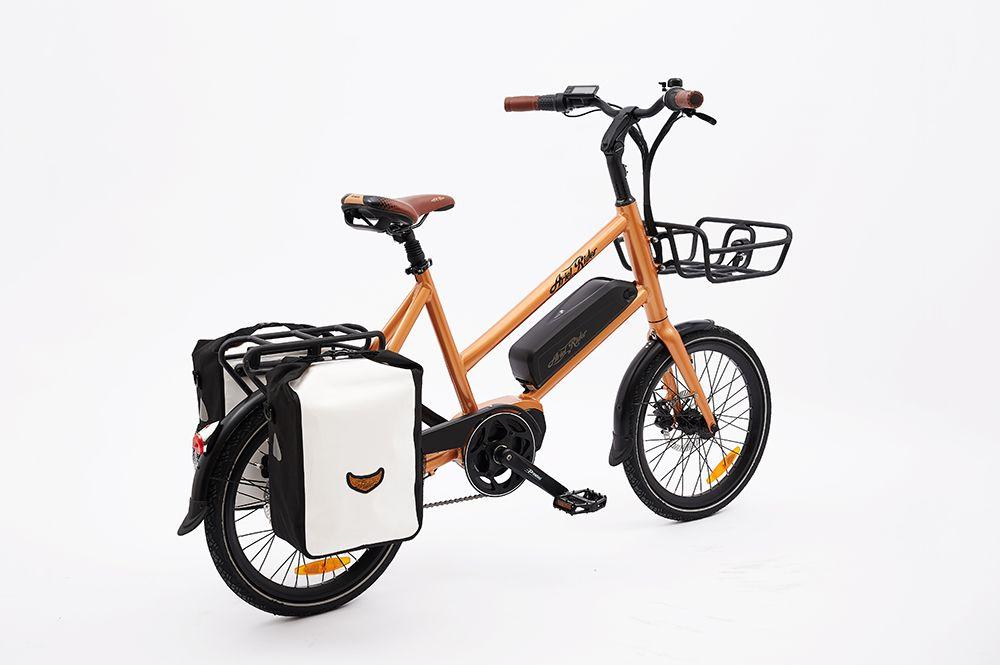
The Ariel Rider M-Class ebike

The Ariel Rider M-Class ebike is a 500 watt 48v folding eBike with a weight limit of 370lbs. It has a range of 70 miles and features multiple baskets for carrying groceries or other items on your journey.

RadWagon 

RadWagon This 750 watt 48v RadWagon can go 25-40 miles at 20mph. It features a 350lb weight limit but is designed for 120lbs of cargo.

Day6 Samson

The Day6 SamsonThe Day6 Samson is the first on the list from Day6 and it has a capacity of 400lbs. It comes with a 750 or 1000 watt mid-drive motor and has a 25-30 mile range at 17mph. It’s slightly above average for heavy weight ebike’s but it does have a 400lb capacity.

Day 6 Behemoth

The Day 6 BehemothThe Day 6 Behemoth is the second Day 6 eBike to make the list. It has a weight capacity of 350lbs so it makes the list. If you have or get sore backs riding, this bike might be an option for you with a seat back. It features a 1000 watt motor so it’s sure to have plenty of power.

29ER MAX 2.0

The 29ER MAX 2.0The 29ER MAX 2.0 from Zize Bike’s has a weight limit of 400lbs and is a reasonable contender for having a high weight capacity and relatively low price. I say that as most eBikes with a weight capacity around 400lbs are $3K or more. This bike could be a good choice if you’re looking for a traditional bike with extra capacity.

Juggernaut Ultra 1000

Juggernaut Ultra 1000With a capacity of 400lbs, the Juggernaut Ultra 1000 has a nice capacity for heavier riders. This is a mid-drive motor (more efficient than hub motors) can go 25-60 miles up to 35mph.

Addmotor MOTAN M-5500 Watt Electric Bicycle 

The  MOTAN M-5500With a weight capacity of “only” 350lbs, the Addmotor MOTAN 1000 Watt Electric Bicycle barely makes the list. The MOTAN M-5500 is a 1000 watt 48v system that has a range of 40-50 miles of assist.

Juggernaut Ultra FS

Juggernaut Ultra FSAlso on the expensive side and only having a 350lb capacity, the Juggernaut Ultra FS does meet the criteria for the list but it can be on the pricier side. It is however, probably one of the best built full-suspension ebikes available.

Trike eBike Options

If the eBike options above don’t work for you, perhaps a trike ebike might work. The following Trike ebike’s have a high weight capacity.

Liberty Trike

The Liberty TrikeThe Liberty Trike is a cross between a bike and a scooter but it does have a 400lb weight capacity so it might be a viable choice for larger riders looking for a “cheaper” option.

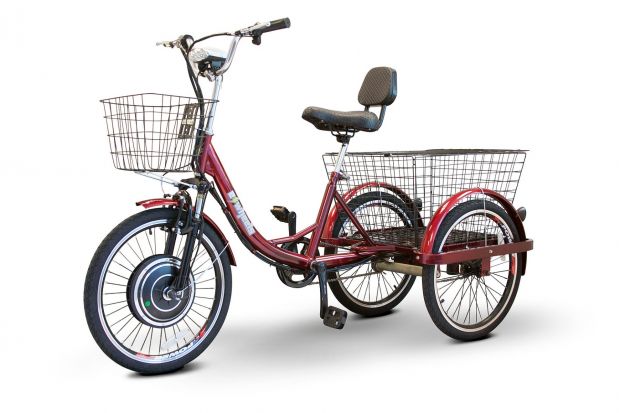
EW-29 Electric Trike

The EW-29 Electric TrikeThe EW-29 Electric Trike is another Trike option for a heavier rider and it’s on the lower end of the spectrum. With a speed of up to 15 mph, it can go 20 miles on a single charge.

Other Options

ebike conversion kit option

If you already have a bike or the above options do not fit your budget, another option for having an ebike is to buy a conversion kit that includes a motor, battery and controllers. These kits can turn a regular bike designed for riders over 350lbs and convert it to an ebike sometimes for less than the cost of buying an ebike outright.

If you know of an eBike for Heavier/Overweight Riders that has a weight limit over 350lbs that should be added to the list, please email me the model information and I will add it to the list.


How to sharpen a pocket knife

A pocket knife is a useful tool to carry around. However, what happens when your pocket knife becomes dull? This guide will give you some tricks and tips on ow to sharpen a pocket knife.

Pocket knives have been carried for centuries. The oldest known knives go back to around 200 BC. Over the years the knife has improved and the modern pocket knife started to emerge around the year 800. That’s a long history and in that time people have developed techniques to sharpen and hone the knife edge to make it sharper so that it will cut easier. The sharper the blade the safer it is. A dull knife if more prone to cause an accident because you will use more force and it can slip and cut you.

A pocket knife and a sharpening stone

Types of Pocket Knives

There are many different types of pocket knives and believe it or not, they all have names. All pocket knives fold to protect the blade and the user. How they fold and what they consist are what make them different or carry their makers name.

Kershaw Classic Slipjoint Pocket Knife

Slip Joint Knife

The slip joint knife is one of the earliest pocket knives. It features a built in spring mechanism that holds the blade in place.

Victornox Swiss Army Knife

Camper Knife

A Camper Knife is a pocket knife that contains multiple blades and functions. A Swiss Army knife is probably one of the best examples of camper knife.

Canoe Knife

Canoe Knife

A Canoe Knife is a knife that is shaped like a canoe and usually contains two blades.

Penknife

A Penknife is the British term for a camp knife. It typically has two blades, one of which is a pen blade for sharpening a quill for writing.

Locking Blade Knife

A locking blade knife is essentially a fixed blade knife that folds and fits in your pocket. The modern original locking blade knife was the Buck 110 folding knife.

Ways to sharpen a pocket knife

The first step to sharping a knife is finding a good sharping stone such as Smith’s SK2 2-Stone Sharpening Kit. The stone will remove a microscopic layer of metal creating a sharper edge which is what you are looking for. There are other methods such as pull through sharpeners but as we will see, they do not do as good a job as a sharpening stone.

CAUTION – USE CAUTION WHEN USING ANY KNIFE BLADE TO AVOID INJURY.

Sharpening stone

After you find a good stone, you will need to hold your knife at a 25 degree angle or a little less give or take. Some stones will come with a guide to show you what 25 degrees is. You then firmly press the knife to the stone at a 25 degree angle – the back of the knife should be on the stone but the tip will be not be. Slide the knife down the stone and pull so at the end of the stone the front of the knife will sliding off and will be sharpened as well. Depending on how dull your knife is and how much damage is on the knife you may have to repeat this for 10-20 (maybe even 30!) times. You will want to do this on both sides.

Sharpening a knife - notice the angle and how the tip is off the stone
Sharpening a knife – notice the angle and how the tip is off the stone
Here's a pocket knife being sharpened.  This is repeated on both sides.
Here’s a pocket knife being sharpened. This is repeated on both sides.

Pull through sharpener

Because each blade has a unique profile and a pull through sharpener has a fixed angle, they are not always the best choice for sharpening a pocket knife. For this reason we highly recommend using a sharpening stone.

Some Recommendations

Now that we know how to sharpen a pocket knife, here are some recommendations for a few different knives & safety gear from a long time knife enthusiast.

Knives

  • Morakniv Companion Fixed Blade Outdoor Knife – This is a good all around everyday knife for use and abuse.
  • Gerber Gear 22-48485 Paraframe Mini Pocket Knife – This is a great beginners pocket knife, complete with a lock blade.

Safety Gear

  • HANDLANDY Mens Work Gloves – These gloves are cut resistant and will keep you moderately safe while sharpening your knife.
  • UVEX by Honeywell S3200 Genesis Safety Glasses – Safety glasses are always recommended. You never know when something could fly up and hit you in the eye!

Conclusion

Knives are incredibly handy tools to have every day. Pocket knives make for a convenient way to always have a knife with you. Any blade, regardless of price, will dull over time and hopefully, this guide will help you learn how to sharpen your pocket knife and extend the life and usefulness of your blade.